Commercial Moves in Sutton
Reliable Business Relocation Support for Sutton Companies

When a business needs to relocate, expand, refurbish, or reorganise, the moving process can quickly become a serious operational challenge. That is especially true in a busy South London location like Sutton, where office buildings, retail units, professional practices, light industrial spaces, and shared work environments all have different access needs. Commercial moves in Sutton require careful planning, practical coordination, and a local understanding of roads, parking, building access, and timing.
Whether you are moving a small office near Sutton town centre, relocating a retail unit, shifting equipment from an industrial premises, or updating a workspace in a mixed-use building, the key priority is reducing disruption. A good commercial relocation should keep your team informed, your assets protected, and your downtime to a minimum. That is why many local companies prefer a moving service that understands the realities of Sutton commercial removals rather than a one-size-fits-all approach.
From sensitive office furniture and IT equipment to stock, archives, shelving, and specialist machinery, every business move has its own demands. Local knowledge matters because it helps with access planning, building restrictions, loading arrangements, and realistic scheduling. If you are preparing for a business move in Sutton, the sections below explain what to expect, what is typically included, how to prepare, and why a local team can make the whole process simpler.
Why Businesses in Sutton Need a Practical Moving Plan
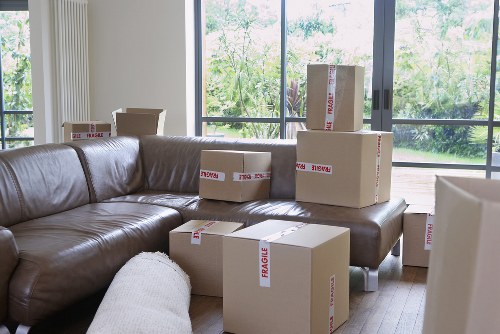
Sutton is home to a broad mix of commercial property types. You will find offices close to transport links, high street shops, clinics, agencies, consultancies, warehouses, and service-based businesses in and around the borough. Some premises offer straightforward parking and access, while others are located on busy roads or in buildings with limited lift capacity, loading restrictions, shared entrances, or tight time windows. A business relocation must take all of that into account before moving day begins.
For many companies, the biggest concern is continuity. Even a short interruption can affect client appointments, stock handling, admin work, or customer service. That is why business moves in Sutton are usually best approached as a planned project rather than a simple transport job. Packing, dismantling, labelling, route planning, and setup at the destination all play a part in making the move efficient.
Local organisations often need a move that works around trading hours, staff availability, lease deadlines, or refurbishment schedules. Some prefer evening or weekend relocation work to avoid downtime. Others need phased moving, where departments, rooms, or sections are moved separately so operations can continue. A local commercial removals team can help shape the schedule around your needs instead of forcing your business into an inconvenient time frame.
What Commercial Moves in Sutton Usually Include

No two commercial relocations are identical, but many Sutton businesses need a similar core set of moving services. A well-organised mover can support you from the first assessment through to delivery and setup. Depending on the size and nature of the move, the service may include packing support, furniture handling, dismantling and reassembly, secure transport, and careful placement at the new site.
Typical elements of a commercial move may include:
- Pre-move planning and site assessment
- Packing materials for business equipment and contents
- Office furniture dismantling and reassembly
- Safe handling of desks, chairs, cabinets, and meeting room furniture
- Secure transport of files, stock, and work items
- Movement of IT, peripherals, and office technology
- Loading and unloading with attention to access constraints
- Placement of items in the correct rooms or zones at the destination
Some companies also need help moving archive boxes, display units, retail fixtures, filing systems, laboratory-style equipment, or sensitive materials. If your business relies on specialist items, it is worth discussing them early so the moving plan can be tailored to the load, the handling method, and the route from site to vehicle.
Planning Around Sutton’s Access and Parking Challenges

One of the main reasons local experience is valuable is because commercial access in Sutton can vary widely from one property to another. Some business premises sit close to main routes and offer simpler loading access, while others may have narrow service areas, shared bays, restricted stopping times, or limited room for larger vehicles. Planning ahead helps avoid delays, fines, and unnecessary stress on moving day.
Parking and loading arrangements are often just as important as the actual lifting and transport. If your premises are in a busy area with frequent traffic flow, a moving crew may need to work to a tighter schedule and use smaller steps in the loading process. Buildings with upper-floor offices, shared corridors, or lift restrictions may need extra handling care and more time for access. A team familiar with commercial removals in Sutton will be used to these practical issues and can plan accordingly.
Nearby areas can also affect how the move is organised. Businesses operating around Carshalton, Cheam, Wallington, Banstead, Belmont, and Worcester Park may face different loading conditions, road layouts, and building styles. A local service can adapt to these differences without treating every move the same. That flexibility can be especially useful for firms working from older premises, converted buildings, or compact town-centre units.
Office Moves, Retail Relocations, and Other Commercial Projects

Commercial moving is not limited to traditional offices. Sutton businesses span a wide range of sectors, and each one needs a slightly different approach. An office move may focus on desks, computers, conference furniture, and confidential paperwork. A retail move may involve shelving, stock, counters, and display items. A clinic or practice might need careful handling of equipment and patient-facing materials. A warehouse or workshop move can require a stronger focus on heavy items, packing, and access coordination.
Examples of commercial move types include:
- Office relocations for small teams and larger organisations
- Shop and showroom moves
- Clinic, studio, and practice moves
- Warehouse and storage relocations
- Light industrial and workshop transfers
- Internal business reconfigurations and department moves
In some cases, businesses are not moving far at all. They may simply be changing floors, shifting departments within the same building, or reorganising a workspace during refurbishment. Even these smaller projects benefit from professional support, because moving heavy furniture or IT equipment safely still takes time, planning, and the right equipment. The goal is to reduce disruption while making sure nothing is overlooked.
How a Commercial Removal Service Works
Step-by-Step Support for a Smoother Move
Most business customers want a process that is clear, efficient, and easy to manage. A well-run commercial removals service usually starts with understanding what needs to move, when the move needs to happen, and what type of access is available at both properties. That information helps shape the moving plan and prevents avoidable issues later.
In practical terms, the process often includes a walkthrough or discussion of the premises, a review of access points, and an overview of any bulky, fragile, or specialist items. The team then works out the best order for packing, dismantling, and transport. Some clients prefer the mover to handle most of the preparation, while others do part of the packing themselves and use the crew for the heavy lifting, transport, and setup. Either way, a clear plan is essential.
On moving day, the team will usually work to an agreed sequence so equipment and furniture are removed efficiently and delivered in the correct order. At the destination, items can be placed into designated rooms or zones to make unpacking easier. If your business has labelled departments, workstations, or stock areas, that structure can be followed on arrival. This is one of the main benefits of a locally managed commercial move in Sutton: the service can be organised around your business rather than around a generic checklist.
What helps the move go well
Simple preparation goes a long way. The more the team knows in advance, the smoother the day tends to be. This includes details about parking, lifting points, restricted access, valuable items, and any items that should not be packed with the general load. Good communication between your internal team and the movers can save a surprising amount of time.
Preparation Checklist for Businesses
Preparing properly for a business relocation does not need to be complicated, but it does need to be structured. Whether you are moving a small office or a larger commercial site, the checklist below can help keep everyone aligned.
Before moving day
- Confirm which items are moving and which are staying behind
- Identify fragile, confidential, or high-value items
- Label desks, boxes, cables, and equipment where needed
- Notify staff of the schedule and any packing responsibilities
- Check parking and loading access at both locations
- Arrange building access, keys, permits, or entry arrangements
- Back up important digital data before disconnecting systems
- Separate out items needed for the first day at the new site
Businesses with customer-facing operations should also think about signage, temporary closure notices, appointment changes, and stock availability. If the move is happening in stages, make sure everyone understands which teams or rooms are moving first. Clear communication is especially useful in larger offices and multi-use premises where several departments may be affected.
It can also help to prepare a short list of priorities. For example, if your team needs laptops, phones, or front-desk items available as soon as possible, those should be identified as essentials. The same applies to retail stock, admin files, or specialist tools that are needed to restart operations quickly. A business move is much easier when everyone understands what is critical on day one.
Why Choose a Local Company for Commercial Moves in Sutton
Choosing a local provider offers real advantages beyond convenience. A team that regularly works in and around Sutton is more likely to understand traffic patterns, building access quirks, local parking limitations, and the best way to approach different commercial properties. That can make the difference between a smooth move and a stressful one.
Reasons local experience matters:
- Better awareness of local road layouts and access conditions
- More practical scheduling for town-centre and residential-edge locations
- Understanding of business premises in older and newer buildings
- More flexible support for phased, evening, or weekend moves
- Clearer planning for loading, unloading, and parking restrictions
Sutton businesses often operate from a mix of property styles, from high street units to office suites in mixed-use developments and commercial spaces tucked away on side roads. A local mover is more likely to know how to work with these conditions and can plan the right vehicle size, crew support, and timing. That practical knowledge often matters more than anything else when your priority is keeping the business running.
What Affects the Price of a Commercial Move?
Understanding the Main Cost Factors
It is natural to want a clear idea of cost before booking a move. While exact pricing depends on the details of your project, there are several factors that usually influence the final quote. Understanding these factors can help you compare services more fairly and avoid surprises later.
Common pricing factors include:
- The size of the premises and amount of contents
- How much packing, dismantling, or reassembly is needed
- Whether specialist equipment or extra handling is involved
- Access conditions at both sites
- Parking and loading restrictions
- Distance between locations
- Whether the move needs to happen outside normal business hours
- How quickly the move needs to be completed
For some businesses, the main priority is keeping downtime low, which may mean paying for a more structured or time-sensitive move. Others may be focused on careful handling of equipment or stock. A good local provider should be able to explain how the move will be approached and what factors are likely to influence the scope, without guessing or offering unrealistic promises. If you are planning a commercial relocation, it is sensible to request a tailored quote based on your actual site and contents.
How to Reduce Business Downtime During the Move
Downtime is one of the biggest concerns for any organisation planning a relocation. The good news is that careful preparation can reduce disruption significantly. Many Sutton businesses choose to move outside peak trading hours, over a weekend, or in stages to keep operations moving. The best approach depends on your team size, customer schedule, building access, and how much equipment you need to relocate.
Practical methods include packing non-essential items first, keeping daily-use items separate, and prioritising the setup of workstations or customer-facing areas at the new site. For offices, that may mean getting desks, phones, and internet-connected devices in place first. For retail businesses, it may mean arranging stock and display items in a logical order. For service providers, it could mean ensuring the reception area or key operational tools are ready before the rest of the contents.
Another useful approach is to nominate an internal move lead. This does not need to be a full-time role, but having one person coordinate questions, labels, priorities, and access arrangements can make communication much easier. When the moving team has one point of contact, decisions can be made quickly and the process tends to feel far more controlled.
Areas Covered Around Sutton
Businesses often need support not only in Sutton itself but also in surrounding neighbourhoods and nearby commercial districts. A local service can usually help with moves across the wider area, including locations such as Carshalton, Belmont, Cheam, Wallington, Banstead, Worcester Park, and other nearby parts of South London and Surrey borders.
This is particularly useful for companies that are moving between local branches, shifting into larger premises, or relocating to a site that offers better access or more suitable business space. It also helps when an office move involves one area for loading and another for delivery, because the team can plan the route and timing with the local road network in mind.
When discussing your move, it is worth mentioning the exact nature of both locations. A commercial unit in a busy shopping area will have different requirements to a back-office suite, a shared workspace, or a light industrial premises. The more detail you provide, the easier it is to build a move plan that fits your property, your timetable, and your staff structure.
Security, Confidentiality, and Careful Handling
Many commercial customers have items that need extra attention during relocation. This may include financial records, private client files, branded materials, IT hardware, or stock with specific handling needs. A good mover understands that business contents are not just “stuff†to be transported; they are part of your operations, your reputation, and in many cases, your compliance obligations.
Areas where care really matters:
- Confidential documents and archives
- Computers, monitors, and networking equipment
- Display units and fragile retail fixtures
- Specialist tools and workshop items
- Glass partitions, framed items, and décor
- Cabinets, shelving, and storage systems
Good handling practices also help reduce damage and replacement costs. Correct labelling, proper packing, and careful stacking make a noticeable difference during transport and unloading. If your move includes sensitive materials or items that should not be mixed, mention that early so the crew can separate and manage them correctly throughout the relocation.
What to Expect on Moving Day
On the day itself, a commercial move should feel organised rather than chaotic. The team will normally begin with a quick review of access, layout, and any last-minute instructions. From there, the loading process can begin in the agreed order. If packing or dismantling is included, that work may happen before the main load-out so large items are ready for transport.
At the destination, the aim is to make the setup process as straightforward as possible. Furniture may be placed in designated rooms, boxes may be grouped by department or function, and key items may be positioned where staff can get to work quickly. For many businesses, this stage is just as important as the transport itself because it determines how soon operations can resume.
It is also worth allowing for the unexpected. A lift may be out of service, parking may need to be adjusted, or a few additional items may be discovered at the last minute. A responsive moving team can adapt to these changes, but it is always better if the move plan has some flexibility built into it. That is one of the benefits of working with people who understand commercial moves in Sutton and the practical realities that come with local properties.
Frequently Asked Questions
Common questions from local business customers
Do you move small offices as well as larger premises?
Yes. Many Sutton customers need help with compact offices, serviced workspaces, consulting rooms, and small business units as well as larger commercial properties. The service can be scaled to suit the size of the move.
Can a commercial move be done outside normal hours?
Often, yes. Many businesses prefer evening or weekend moving to reduce disruption. The best time depends on your building rules, your trading hours, and the scale of the relocation.
What if the premises have limited parking or loading access?
That is common in Sutton and surrounding areas. A local team can plan around restricted access, narrow roads, shared bays, or busy town-centre conditions. This should be discussed early so the right vehicle and timing can be arranged.
Can the movers help with dismantling and reassembly?
In many cases, yes. Office desks, modular furniture, shelving, and similar items often need to be taken apart and put back together. If you have specialist fixtures, mention them in advance so the right approach can be planned.
How far in advance should I book?
As early as possible, especially if your move has a fixed deadline, involves multiple departments, or needs to be completed outside standard hours. Early planning usually makes the move less stressful and gives you more flexibility.
Do you handle multi-site or phased relocations?
Many commercial clients need staged moves rather than a single transfer. That might involve moving one team first, relocating stock in phases, or setting up one part of the new site before the rest. Phased moving can be a sensible way to keep business interruption down.
Choosing the Right Team for Your Sutton Business Move
When selecting a moving partner, it helps to look for a team that is organised, easy to brief, and practical about the real conditions your business faces. You want movers who understand that every hour counts and that commercial contents often require more planning than domestic items. The right team should be able to discuss access, packing, timing, vehicle suitability, and setup in a clear and straightforward way.
It is also worth choosing a provider that respects how your workplace functions. For example, a legal office may need confidential file handling, while a retail business may need careful stock sequencing, and a workshop may need heavy-item movement and robust packing. Good commercial moving support is about adapting to your business model rather than forcing a standard process onto every customer.
If you are comparing options for a relocation in Sutton, ask yourself whether the provider seems prepared to deal with the specific demands of your site. Are they asking the right questions about access, furniture, timings, and equipment? Are they considering downtime and setup as part of the job? Those details matter because they influence how smoothly the move will run from start to finish.
Get Ready to Move with Confidence
A well-managed relocation can give your business a fresh start in a better workspace, a more practical layout, or a location that suits your future plans. The key is having a moving process that is organised, responsive, and shaped around your needs. That is exactly why businesses looking for commercial moves in Sutton often value a local team that understands the area and the demands of business relocation.
Whether you are moving a single office, a whole workplace, a retail unit, or a mixed commercial property, the right support can reduce stress and make the transition feel far more manageable. You do not need to navigate parking problems, access restrictions, or heavy lifting alone. A professional commercial moving service can help you plan the route, prepare the contents, and set up the new location with less disruption to staff and customers.
Contact us today to discuss your move, ask questions about the process, and request a tailored quote. If you are preparing for a business relocation in Sutton or the surrounding area, book your service now and take the next step toward a smoother moving day.